
![[object Object]](/_next/static/media/arrow-left-white.942fbd51.svg)
.5d180d32.svg)
.83d198d9.svg)
Internet of Things
Building an Integrated Digital System: Marketing + Development + Analytics
2026-03-09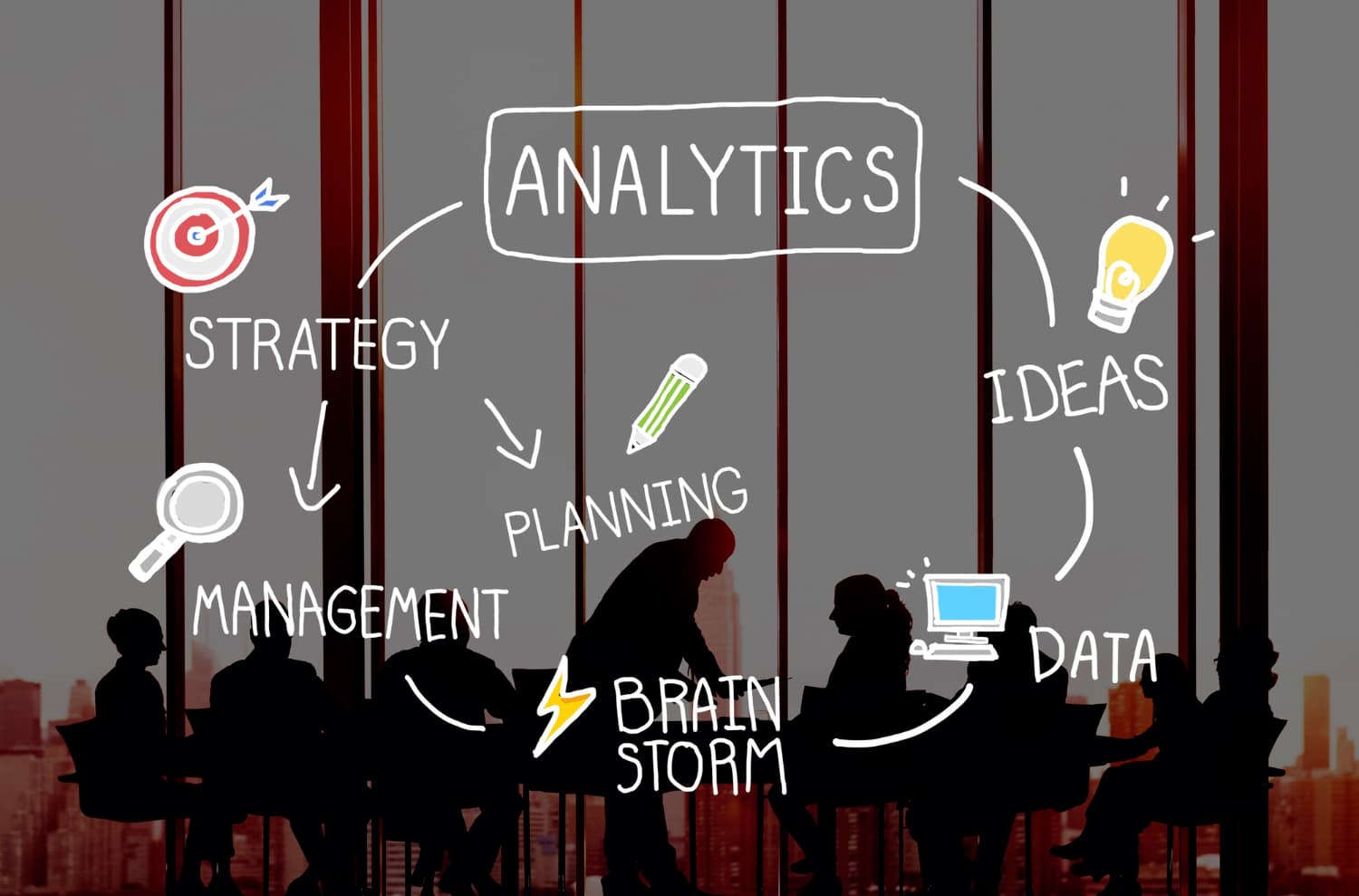
How these elements work together to ensure your project’s success in the digital age
In the era of digital transformation, success no longer depends solely on having a website or a good application. True success is now linked to having an integrated digital system that combines digital marketing, system and application development, and data analysis. When these elements work together in harmony, a business becomes more capable of attracting customers, improving their experience, and making decisions based on accurate data.
Building an integrated digital system helps companies grow faster and more sustainably, while also giving them the ability to adapt to market changes and evolving customer needs.
Digital Marketing: The Gateway to Reaching Customers
Digital marketing is the first step in any successful digital system, as it is responsible for attracting audiences and introducing them to products or services. It includes a variety of tools and strategies such as Search Engine Optimization (SEO), social media management, paid advertising, and content creation.
Effective marketing is not only about increasing the number of visitors; it focuses on attracting the right audience and converting them into actual customers. Therefore, the marketing strategy should be based on a clear understanding of the target audience and their needs.
Technical Development: Building a Strong Digital Experience
After attracting customers, the role of technical development begins in delivering a strong digital experience. This includes developing websites, applications, and internal systems that manage different business operations.
Good development ensures that digital platforms are fast, user-friendly, and secure. A positive user experience plays a major role in increasing customer satisfaction and retention, which directly contributes to business growth and higher sales.
Data Analysis: The Foundation of Smart Decision-Making
Data analysis is the element that connects marketing and development. Through analytics tools, companies can understand user behavior, identify the most visited pages, track traffic sources, and analyze the factors that influence purchasing decisions.
This data helps improve marketing campaigns, develop products and services, and identify new growth opportunities. When decisions are based on data rather than assumptions, results become more accurate and effective.
The Integration of Marketing, Development, and Analytics
The true power of a digital system appears when these three elements work together. Marketing attracts customers, development provides them with a great experience, and analytics delivers insights that help continuously improve performance.
For example, analytics data may reveal that users leave the website on a specific page. In this case, the development team can improve the page experience, while the marketing team adjusts advertising messages to make them clearer and more engaging.
This integration creates a continuous cycle of improvement and optimization, helping the business achieve better results over time.
Conclusion
Building an integrated digital system is no longer optional; it has become essential for any company seeking success in today’s market. Combining digital marketing, technical development, and data analytics enables companies to understand their customers more deeply, enhance their experience, and make strategic decisions based on accurate information.
Companies that invest in this digital integration become more competitive and better prepared to grow in an ever-changing business environment.
